

A Dog's Porpoise - Online Book Club


Welcome to our online book club for grades 3-5! We are excited for you to join us in reading A Dog’s Porpoise by M. C. Ross.
Along with a free copy of the book, you will receive a review page so you can tell us what you thought of the book! You will also receive a questions page to consider, activity pages, and an information page with cool links related to the book!
Kits are ready for pickup beginning Monday, March 2! Please remember that we have a limited number of kits available, so it's first come, first served. If you have any special requests or need accommodations, please let Leanna or Michelle know!
All we ask is that you read the book: do as much or as little of the rest of it as you want. No matter how much you do, the book is yours!
"A Dog’s Porpoise" by M. C. Ross
"When a bad storm throws Bangor, a harbor porpoise, off course, he finds himself all alone in the harbor of Ogunquit, Maine. And he's not the only one who's lost in these wayward waters: Lars, a rowdy pup, is knocked overboard a nearby boat. With the help of a girl named Natalie, Bangor rescues Lars, and they become fast friends. But not everyone in the small town approves of this unlikely friendship. Some find Lars a nuisance to the community, and it isn't safe for Bangor to remain in the harbor. It's up to Natalie to convince the town to locate Bangor's pod and return him safely home – even if it means saying goodbye to her new friend."
Here are the following pages that you will receive with your kit!

More about the author and A Dog’s Porpoise:
M. C. Ross’s site:
Kiddle Encyclopedia’s page on porpoises and dogs:
Scholastic's official book trailers for A Dog's Porpoise and the sequel:
Ogunquit’s official website:
Included as well: a crossword puzzle, a word search, and a porpoise coloring sheet!


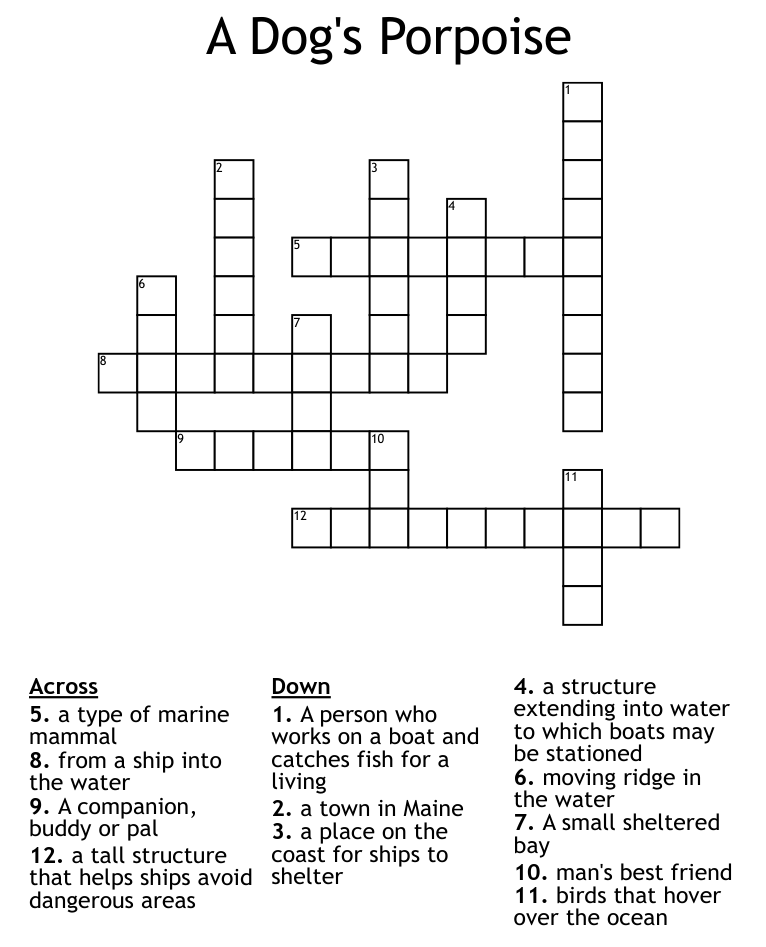
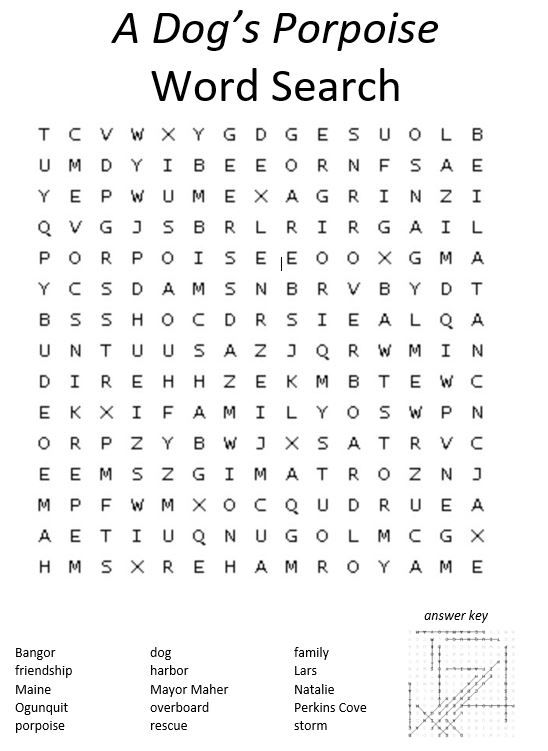

We hope you enjoy these activities and would love to hear what you thought of the book! We also hope you enjoyed the extra links. Remember, you can comment here on this website, email us at swantonpl@gmail.com, or come in and turn in a physical copy!


The idea of exploring the stories behind craft drinks gives me a reason to slow down and consider the details. Describing a flavour in ordinary words can open a conversation without requiring specialist vocabulary. That thought gives me a starting point for exploring craft drink culture in connection with Brew On. A simple comparison would help me picture the differences without rushing towards a fixed answer. What would you notice first when comparing two different drinks?
The theme of making outdoor adventures more approachable makes me curious about what people notice in their own everyday experiences. A realistic plan leaves room for changes in conditions and in how people feel along the way. That is why the connection between Bodhi Adventure and outdoor activity planning makes me want to think through an example. The smaller details are what I would want to return to, especially when an explanation feels too broad. What would you check before deciding how much to fit into an outdoor day?
Thinking about building a personal connection with words, I find the smaller practical questions more interesting than a quick conclusion. A single remembered detail can give a short piece of writing a clearer sense of place. That is why the connection between Premioletterarioluisaronconi and reading and creative writing makes me want to think through an example. I would be interested in an example that shows how the idea works in an ordinary situation. What would you keep when shortening a story without losing its atmosphere?
There is something approachable about discussing practising English through everyday tasks through situations people can actually picture. A realistic task can give a learner a reason to use a phrase rather than only recognise it. It gives me a more concrete starting point for thinking about English language skills. I do not have a settled view yet, but this seems like a good place to slow down and look more closely. Which everyday situations offer useful practice for a beginner?
I find building confidence in continuing education easier to think about when there is a concrete question to start from. A manageable first assignment can help learners understand the pace and expectations of a course. This is why I would approach continuing education skills with a specific question rather than a fixed expectation. The part I would like to explore further is what happens when the idea meets a real situation with its own limitations. What kind of introduction would make a new learning environment easier to approach?